(Röding, 1798)
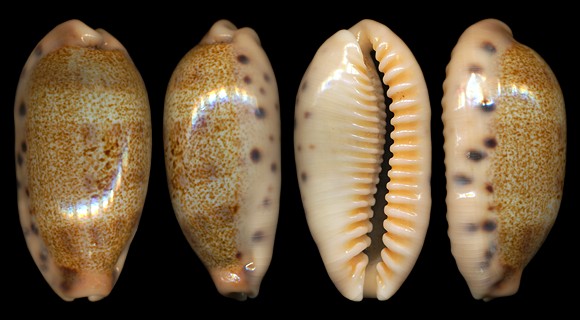
Omnivorous in the infralittoral.
Basionym: Cypraea quinquefasciata.
Three juvenile bands on a paler olive background. This subspecies differs from Erronea caurica nabeqensis Heiman & Mienis 2000 (downranked to the status of variant by Lorenz, 2002), which is restricted to Aqaba gulf, by the weaker teeth, its smaller lateral spots, its more marked banding, and a less developed callus. Regarding the morphological differences with the parent species Erronea caurica (Linnaeus, 1758), they are hardly identifiable. The three juvenile bands are often weakly pronounced; the central band shows more or less discernible darker blotches on its margins.
El Arish, N. Sinai, NE. Egypt. 40,5mm.
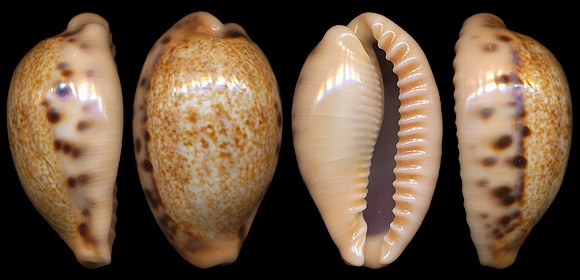
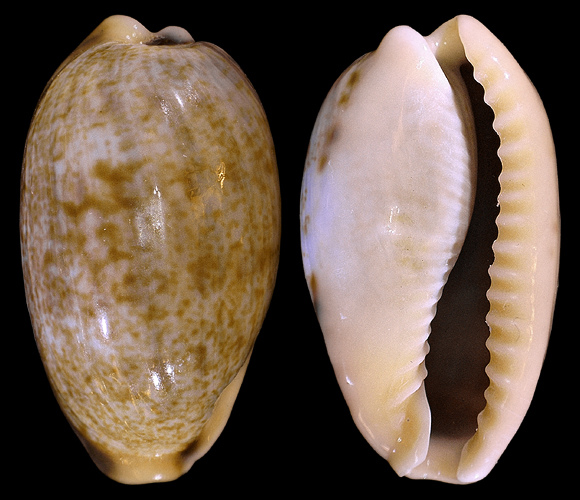
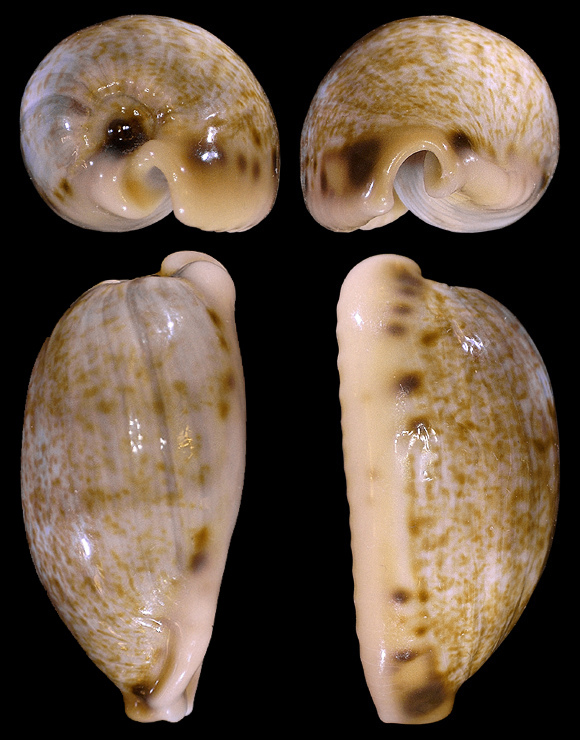
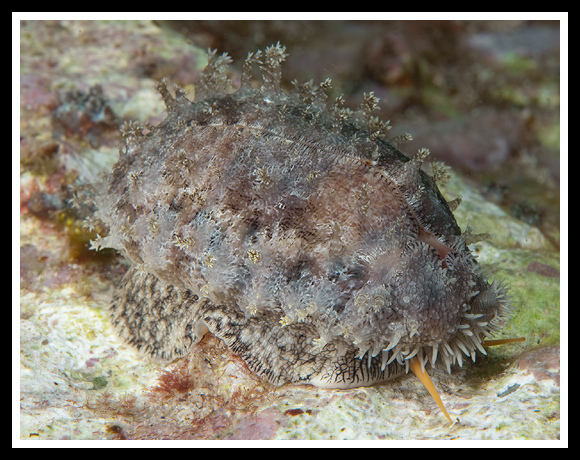
Getting similar images of living quinquefasciata could be interesting. Above and below: specimens pictured near North-West Solitary Island, New South Wales, Eastern Australia.
This image was provided by profmollusc for iNaturalist.
– (CC BY-NC) –
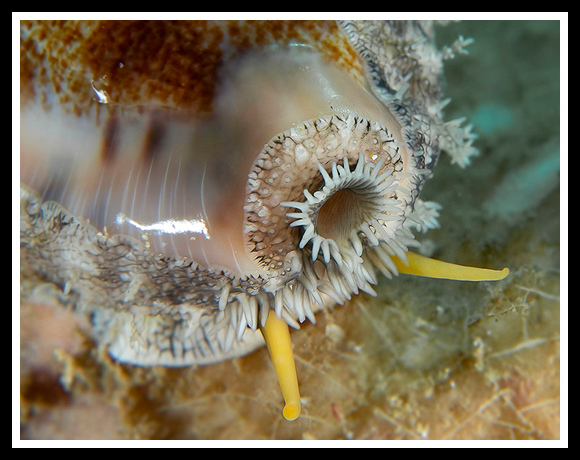
Notice how dark is the anterior band on this dorsum; such pseudo-melanism is often met in New Caledonia and Queensland. Original picture provided by profmollusc for iNaturalist – (CC BY-NC).