| Solecurtus strigilatus (Linnaeus, 1758) |
 |
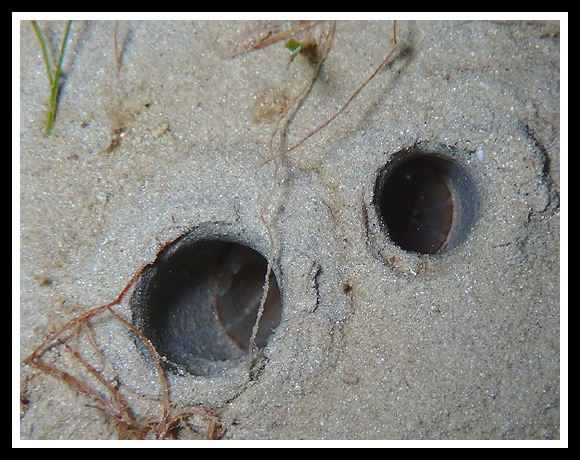
Mediterranean. Vertically burrowed in sediments (two holes distant from each other of a few cm), in shallow water down to sublittoral. The animal is far larger than its shell.
Original taxon: Solen strigilatus – a strigilis is a curry-comb.
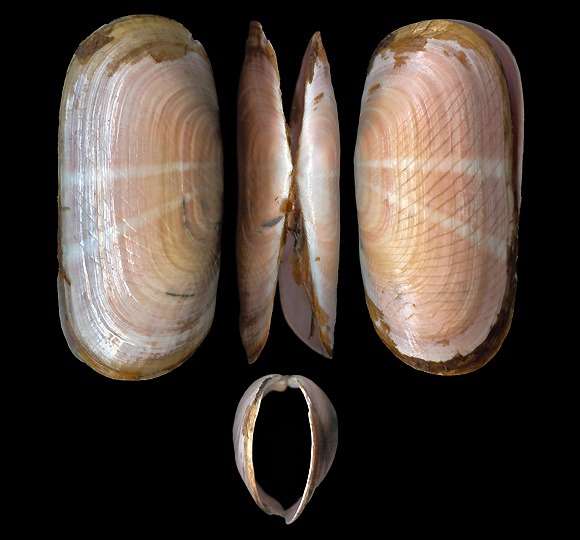
Specimen from Fiumara, Barletta, Puglia, SE. Italy. 76mm. |
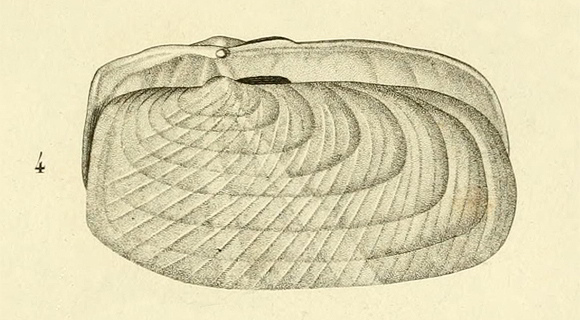 |
| “Solen rose” in H.-M. de Blainville: Manuel de malacologie et de conchyliologie, vol. II, Paris 1827, via BHL. |
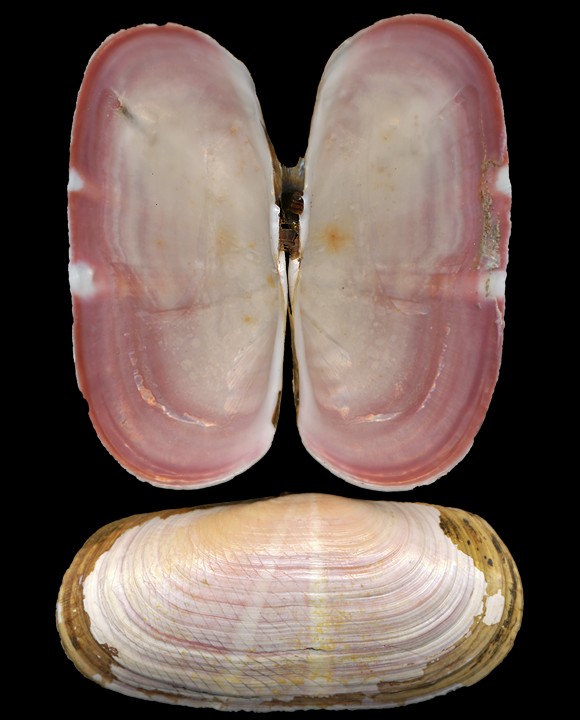 |
| On sand banks, Gruissan, Occitania, S. France. 84-85mm. |
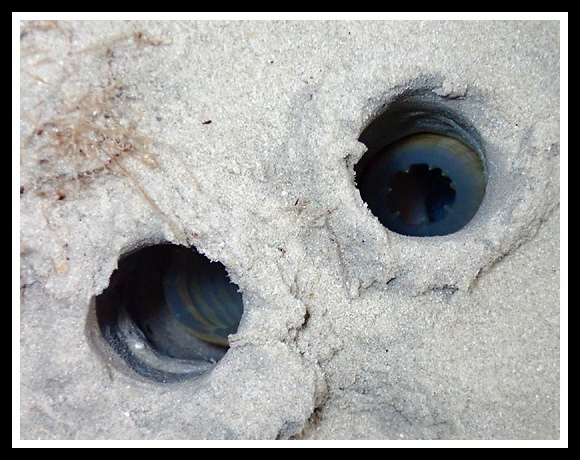 |
| Shallow water, off Cyrnos Beach, Le Clos-des-Plages, La Ciotat, Provence, S. France. Original picture provided by F. André for iNaturalist – (CC BY-NC). |
 |
La Madrague Beach, Les Lecques area, east of La Ciotat.
Original picture provided by S. Le Bris for iNaturalist.
– (CC BY-NC) – |
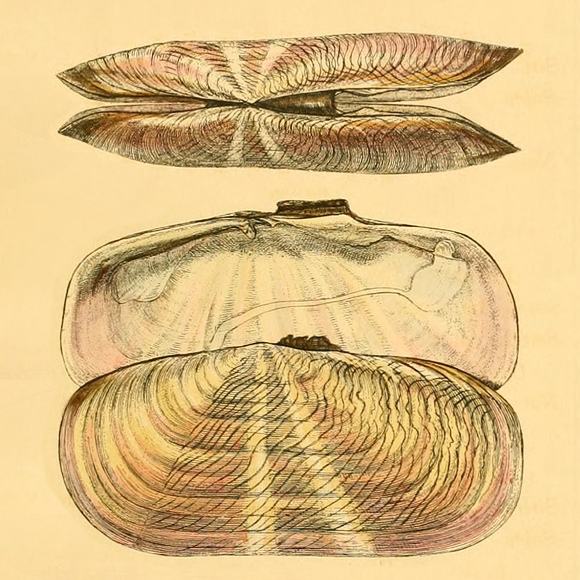 |
| Solecurtus strigilatus in L. A. Reeve: Conchologia systematica vol. I, London 1841, via BHL. |
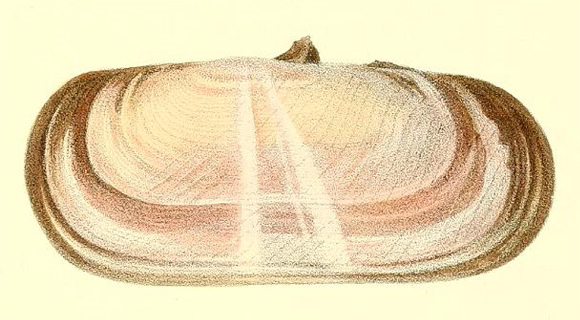 |
| Solecurtus strigilatus in J. G. Hidalgo: Moluscos marinos de España, Portugal y las Baleares, Madrid 1870, via BHL. |
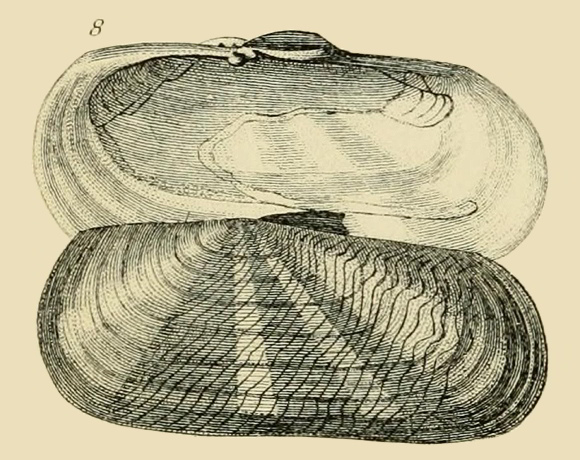 |
Solecurtus strigilatus in R. Tate: A manual of the Mollusca, 4th. edition, London 1880, via BHL.
« The Solecurti bury deeply in sand or mud, usually beyond low water, and are difficult to obtain live. […] By removing three or four inches of sand [their] burrows may be discovered ; they are vertical cylindrical cavities, 1,5 inches in diameter and 12 or more deep ; the animal holds fast by the expanded end of its foot. » op. cit. p. 488. |
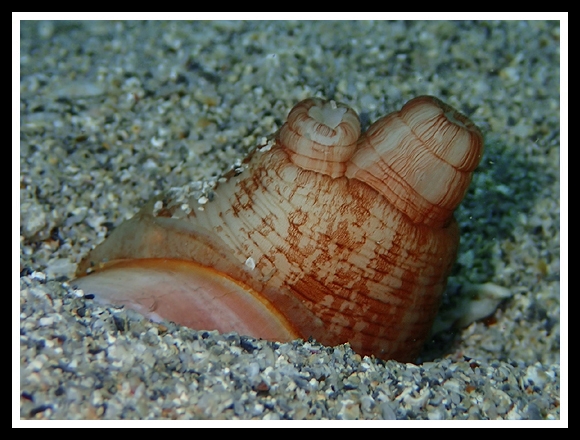 |
Veštar Cove, south of Rovinj, western Istria, NW. Croatia. Original picture provided by M. Wagner for iNaturalist.
– (CC BY-NC) – |
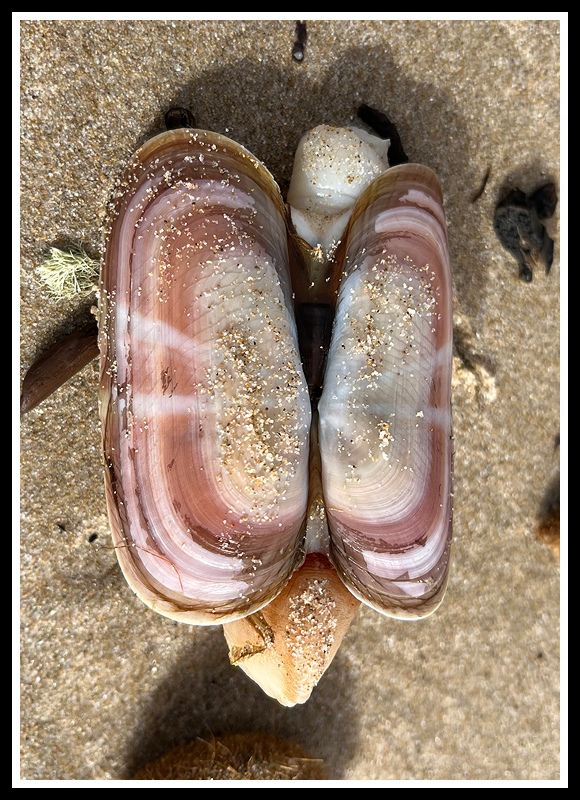 |
| Beachstormed, Muchavista Seafront, Alicante, Comunitat Valenciana, SE. Spain. Original picture provided by Sara M. for iNaturalist – (CC BY-NC). |